Today, Enloe concertgoers spread out on the grassy lawn of Coastal Credit Union Music Park at Walnut Creek or lean from the uppermost reaches of the Lenovo Center to see their favorite musicians live. In the 1970s and 1980s, though, there was a far more intimate option: the Village Subway.
The Village Subway, also known as the Raleigh Underground, was a hub of retailers, restaurants and nightclubs under the Village District shopping center. Famous musicians including R.E.M., Duke Ellington, the Police, Iggy Pop and The Go-Go’s graced the site’s stages.
“People would say it was the only venue between Atlanta and maybe Washington, D.C. or New York,” said Enloe parent Mark Healy, who attended concerts at the Village Subway as a teenager. “So if they were touring, a lot of bands would stop along the way.”
Nearly five years ago, Cameron Village was renamed the Village District to cut ties with its namesake, slaveholder Duncan Cameron, WRAL stated. Some people may think of the name change as the Village District’s only major transformation, Healy said, though those who remember the Village Subway’s lively concerts know this isn’t true.
The venue was “exotic,” Healy said. In the 1980s, there were not many events geared for teenagers or young adults, he added, so when he and his friends saw musicians at the Village Subway, they felt “grown up.”
Healy differentiated the atmosphere of the Village Subway during the day from at night.
Before the sun set, the venue seemed like a “weird hodgepodge of stores,” he said. “You kind of felt like you were walking into an experiment, and someone hadn’t really thought it through very well.”
Healy said the darkness and subterranean elements of the establishment made it bizarre.
“There were no windows, and there was no daylight,” he added, “so it would be very dark. And if there was a fluorescent light that was burnt out, it would be a little creepy.”
But at night, “it really came to life,” Healy said. Going to the bars to see bands perform was “a fun thing to do.”
During the 1950s and early 1960s, shops in the Village District used their basement space for storage, shipping and deliveries. By the late 1960s, though, most retailers found it more economical to be single-story, wrote Nan Hutchins in the book “Cameron Village: A History, 1949-1999.”
York Properties Management took inspiration from the Country Club Plaza shopping center in Kansas City, Missouri, and a section of Atlanta known as “Underground Atlanta” to convert the newly available basement space into the Village Subway, Hutchins wrote. The plan was to start with the 20,000 square feet under Boylan Pearce Department Store, now The Fresh Market, and expand as necessary.
The Village Subway opened on Sept. 16, 1971, Hutchins wrote, with the popular gourmet restaurant and nightclub The Frog & Nightgown as the main tenant. Many retailers also opened that night, and the music venues The Pier, The Bear’s Den, Cafe Deja Vu and Elliot’s Nest were added over time, as well as other entertainment establishments like Battlestation Arcade.
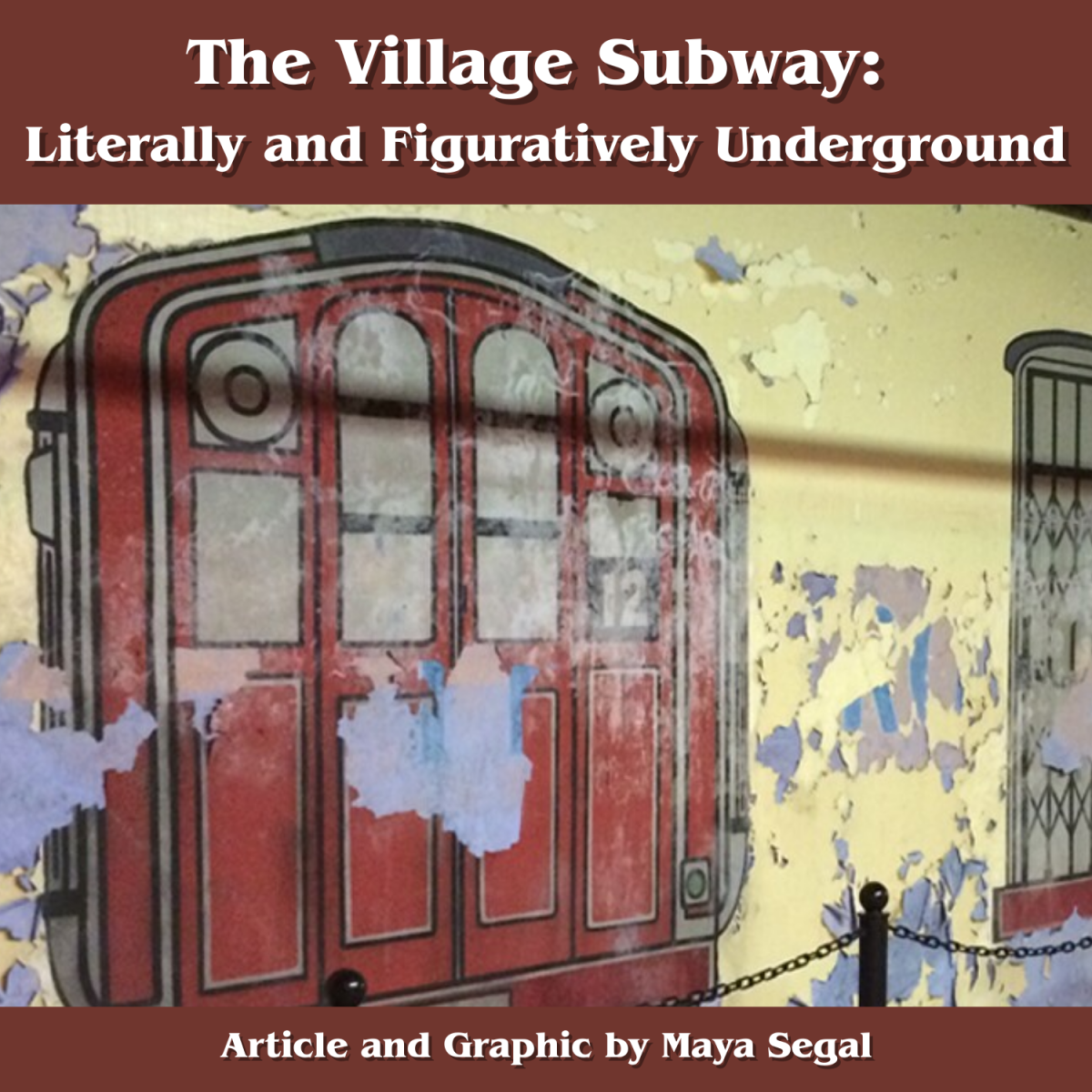
To enter the Village Subway, visitors embarked through a set of glass doors protruding from the parking lot near the intersection of Clark Avenue and Woodburn Road, then descended a staircase to reach a large mural of a subway car. From there, Healy said, the individual storefronts branched off from a main hallway. The ceiling was unfinished and painted black, Hutchins wrote, and the floor was paved with large terracotta Mexican tile. The intent was to make the establishment look like a subway in New York City, Healy added.
As the years passed, excitement about the Village Subway waned. There wasn’t enough foot traffic during the day to sustain the retailers, Hutchins wrote, and the flurry of nightlife activity didn’t make up the difference.
Security concerns arose about fire codes, safety and drug presence, Hutchins wrote, though Healy said other causes also contributed to the eventual cessation of the Village Subway.
“Some people in the neighborhood, in Cameron Park, would complain about people being drunk and loud in the parking lot,” Healy said, adding that the decline in popularity “became a convenient reason to shut it down.”
When Boylan Pearce sold their family-owned store in 1984, the Village Subway closed. A few years later, the space was converted to additional storage space for Village District retailers. During the large Village District renovations in the 1990s, the storage concept was abandoned, and the basement area was leased to retailers who didn’t need street-level space, Hutchins wrote.
On May 16, 2015, the Village Subway opened for one night for a fundraiser to benefit the Interfaith Food Shuttle’s BackPack Buddies program, Spectrum News stated. The event featured a live band and a fashion show.
Currently, The Fresh Market uses the large basement space for storage. Above ground, there are no indications of the history lying below the roads and shops of the Village District.
Just as the Village District has changed over the decades, Healy said, so too has the accessibility of music.
People can now listen to music on demand via the Internet, he added, whereas growing up, “it was really hard to know about a lot of music if it wasn’t on the radio or if you didn’t have a large record collection.”
So, Healy said, “going to see live music [at the Village Subway] was a really worthy discovery.”